Table of Contents
Google just made a surprising move:
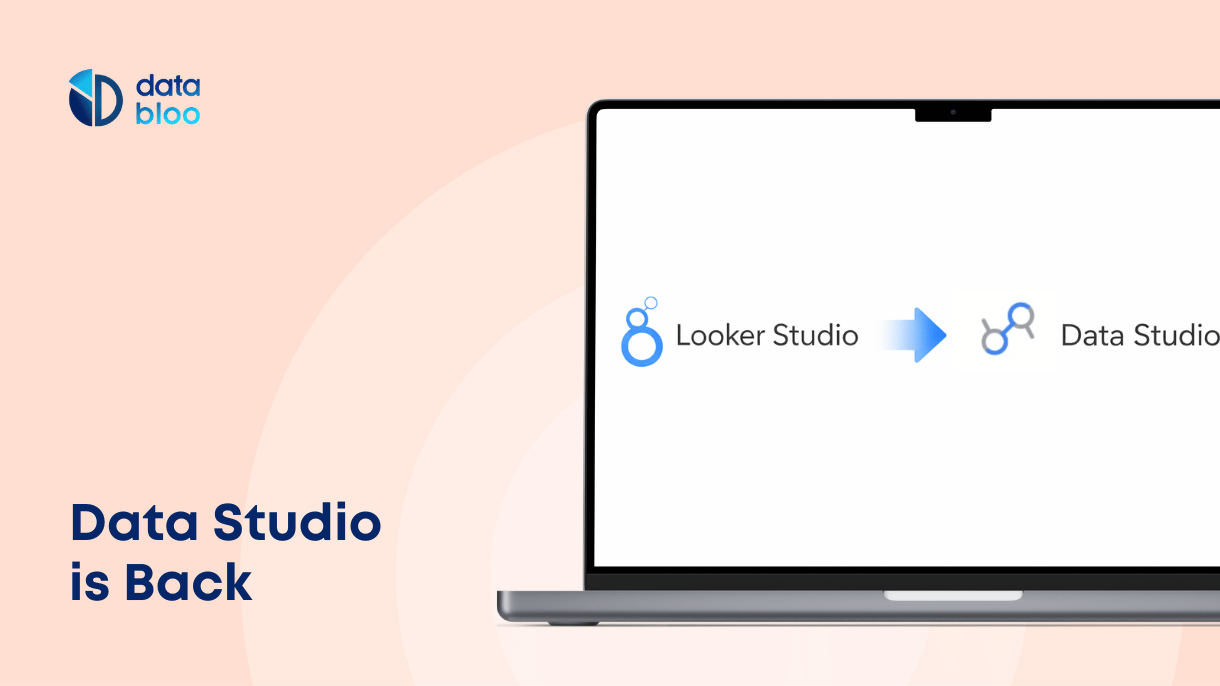
Looker Studio is becoming Data Studio again.
If you’ve been building reports, dashboards, or using Data Bloo connectors, this might feel like déjà vu. But this isn’t just a cosmetic change. It’s part of a broader shift in how Google is positioning its analytics ecosystem — and it has real implications for how people will use tools like Data Studio going forward.
What Actually Changed
At first glance, this looks like a simple rename. In reality, Google is repositioning Data Studio as a central workspace for data, not just a reporting tool.
Instead of being only the place where you visualize data, Data Studio is becoming the place where you access, explore, and interact with your data assets across Google Cloud. That includes reports, data sources, and even integrations with tools like BigQuery and AI-driven workflows.
This is a subtle but important shift. The product is moving:
From dashboards → to a broader data environment
Why Google Is Doing This
Google’s analytics stack has always been a bit fragmented. You had Looker for enterprise BI, Data Studio for reporting, BigQuery for data warehousing — and the connections between them weren’t always clear to users.
Bringing back the Data Studio name is part of simplifying that story.
Data Studio becomes the entry point — the place where most users start. It’s designed for speed, accessibility, and flexibility. Looker, on the other hand, remains the more structured, enterprise-grade solution for governed data environments.
In other words, Google is drawing a clearer line:
- Data Studio for self-serve analytics
- Looker for enterprise BI and governance
The Introduction of Data Studio Pro
Alongside this change, Google is also introducing Data Studio Pro.
The standard version continues to serve individual users, marketers, and analysts who need to quickly build dashboards and explore data. It’s fast, flexible, and doesn’t require heavy setup.
Data Studio Pro is where things start to scale. It’s designed for teams and organizations that need more control — including governance, integrations with enterprise systems, and better management of data access and workflows.
If you want a deeper look at what Data Studio Pro includes and how it works, you can read our full breakdown here.
What This Means for Data Bloo Users
From a practical standpoint, the good news is simple: nothing breaks.
Your reports, connectors, and data sources will continue to work exactly as they do today. Google has made it clear that existing assets will transition automatically, without requiring any manual changes.
But while nothing changes technically, the strategic implications are more interesting.
A Bigger, More Important Ecosystem
By repositioning Data Studio as a central hub, Google is effectively increasing its importance across the entire data stack.
That means more users will rely on it not just for reporting, but for day-to-day data interaction. As usage grows, so does the need to connect more data sources, more platforms, and more marketing tools into one place.
This is where connectors become even more critical.
The more central Data Studio becomes, the more valuable it is to have reliable, flexible ways to bring in data from platforms like Meta, Google Ads, TikTok, LinkedIn, and beyond.
The Return of “Data Studio” (and Why It Matters)
There’s also a very practical angle here: naming.
For the past few years, “Looker Studio” replaced “Data Studio,” and the market slowly adapted. Now, Google is reversing that decision.
This has immediate implications for how people search, how content ranks, and how tools are positioned.
What You Should Do Next
If you’re using Data Bloo, there’s nothing you need to change operationally. Everything will continue to run as expected.
However, it’s worth adjusting how you think about the tool.
Instead of seeing Data Studio purely as a reporting layer, start viewing it as a data hub — a place where multiple sources come together and where decisions are actually made.
If you create reports for clients or internal teams, this is also a good moment to align your terminology. Using the updated naming will help avoid confusion and keep communication consistent with what users see on Google’s side.
Our Take
This move isn’t just about going back to an old name. It’s about redefining the role of the product.
Google is clearly signaling that Data Studio is becoming the front door to analytics — the place where most users start interacting with data.
And when that happens, everything around it becomes more valuable:
- Data connections
- Data reliability
- Data accessibility
That’s exactly the layer Data Bloo operates in.
Final Thought
Names change. Interfaces evolve. Products get repositioned.
But the core need doesn’t change:
You still need to bring your data together, make sense of it, and use it to make better decisions.
If anything, this shift makes that need even more central — and reinforces why having the right data infrastructure in place matters more than ever.